


The New Era of Luxury Retail: Crafting Immersive Experiences and Authentic Client Connections in 2026
The landscape of luxury retail has undergone a profound transformation as we move through 2026. No longer is it sufficient for a brand to simply display exquisite products behind glass cases. Today’s high-end consumers, particularly those seeking investment-grade jewelry and watches, arrive with a set of expectations that transcend the traditional transactional model. They are looking for “The Experience”—a multi-sensory journey that combines aesthetic beauty, radical sustainability, and a deep, authentic connection to the brand’s soul.
Jewelry retailers have emerged as the pioneers of this movement. By analyzing the innovative interior design choices and community-centric strategies implemented throughout 2025, we can see a clear blueprint for the future of brick-and-mortar commerce. From “theatrical” workshops to historic renovations that double as community hubs, the physical store is being reimagined as a destination rather than just a point of sale.
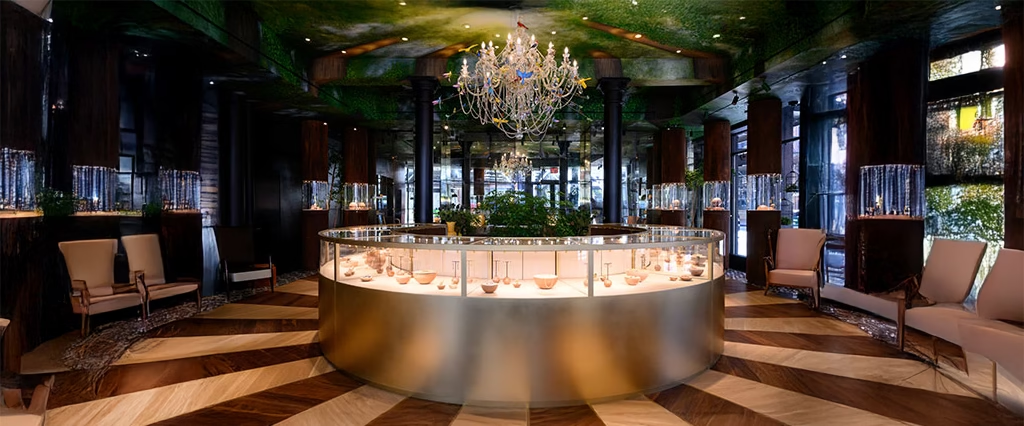
The Psychology of the Modern Shopper: Gen Z and the Experiential Dividend
The shift in retail strategy is largely driven by a demographic evolution. As Gen Z and Gen Alpha gain significant purchasing power, their values are reshaping the market. According to J.P. Morgan’s 2025 holiday-shopping trend outlook, Gen Z doesn’t just prefer experiential shopping—they demand it. In fact, these younger cohorts are willing to travel significantly farther distances for a retail environment that offers something unique, shareable, and emotionally resonant.
Industry experts now suggest that the shelf-life of a store’s interior design is shorter than ever. To maintain relevance and peak aesthetic appeal, brands are encouraged to renovate or refresh their physical spaces every five to seven years. This isn’t just about “looking new”; it’s about evolving alongside the digital landscape. Furthermore, the modern consumer requires a seamless omnichannel experience. They expect the digital storefront to be a perfect mirror of the physical one; if a rare timepiece is listed as “in stock” on a mobile app, it must be ready for viewing the moment the client steps onto the sales floor.
Social Currency and the Art of the “Instagrammable” Event
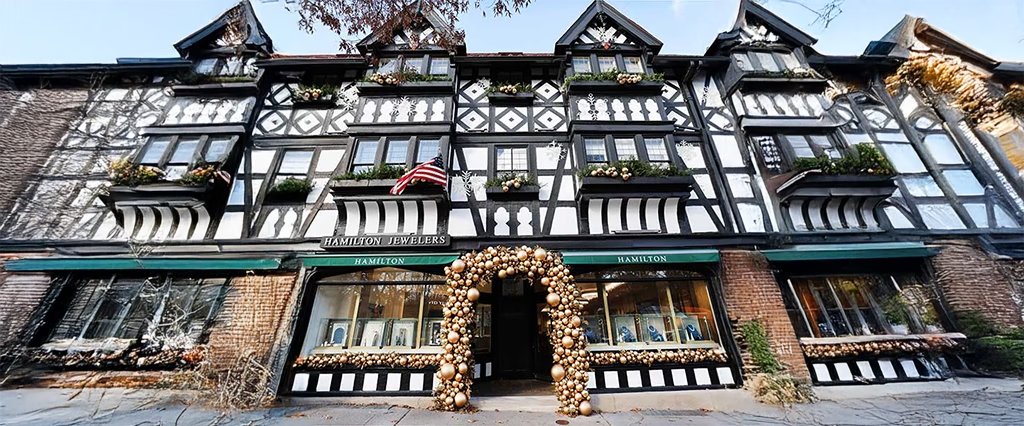
In 2025, retailers like Hamilton Jewelers in Princeton, N.J., demonstrated that a store must be as photogenic as the jewelry it sells. By creating “Instagram-worthy” exterior and interior displays, Hamilton turned its storefront into a marketing engine fueled by its own customers. When a shopper captures a photo of a stunning holiday display and shares it online, they are providing the brand with the most valuable form of modern advertising: authentic social proof.
However, the strategy goes deeper than just aesthetics. Hamilton Jewelers has mastered the art of high-stakes events to build client loyalty. In the fourth quarter of 2025, they moved beyond the showroom, hosting exclusive watch events and an extravagant celebration on a 155-foot yacht in partnership with Breitling. These events transition the brand from a “vendor” to a “lifestyle curator,” providing clients with memories that are far more durable than a simple purchase.
Cadar: Building a Community through Discovery
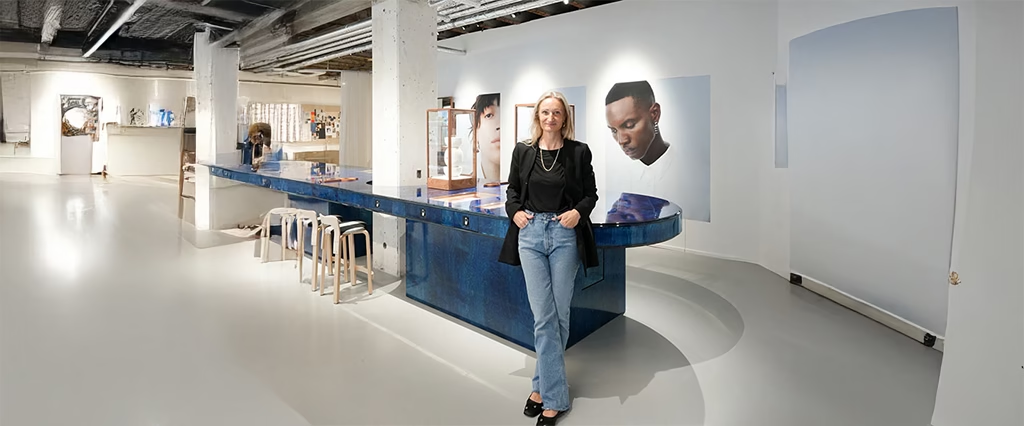
Similarly, New York City–based Cadar, founded by Michal Kadar, launched its first flagship boutique with a focus on “New York grit and glamour.” By parking vintage taxi cabs outside and gifting “I Heart Cadar NY” tote bags, the brand anchored itself in a specific cultural moment.
Michal Kadar’s vision for her boutique is less about “selling” and more about “hosting.” Her plans include educational lectures, coffee dates, and intimate classes. “There’s so much to retail that’s about discovery,” Kadar notes. By creating a space where people feel comfortable visiting just to explore or learn, she ensures the community develops a personal relationship with the brand, driving repeat visits and long-term advocacy.
Sustainability as a Design Philosophy: The Kinraden Model
As environmental consciousness becomes a non-negotiable for the modern luxury buyer, brands like Copenhagen’s Kinraden are leading the way in “Purposeful Retail.” Founded by former architect Sarah Emilie Müllertz, the brand’s flagship store is a physical manifesto of its values.
The Innovation of Mpingo Blackwood and Recycled Metals
Kinraden’s approach to luxury is sculptural and quiet. Every piece is crafted from 100% recycled precious metals, but the true innovation lies in their use of Mpingo blackwood. Traditionally used for woodwind instruments and sourced from FSC-certified forests, this rare material is reimagined as a “living gemstone.”
The retail space mirrors this commitment to the earth. Filled with locally sourced, repurposed wood and furniture, the boutique offers a “quiet luxury” environment that resonates with consumers tired of over-the-top, wasteful opulence. This alignment between product material and store environment creates a powerful, cohesive brand narrative that high-end shoppers find deeply trustworthy.
Theatrical Retail: Immersing the Consumer in the Craft
Large-scale retailers are also pivoting toward immersion. Helzberg’s new store format is a prime example of “Theatrical Retail.” By introducing a “Custom Bar,” they have removed the barriers between the jeweler and the customer. In this informal, collaborative setting, shoppers are invited to participate in the design of their own rings, turning a purchase into a creative act.
The Power of the “Jewelers’ Room”
Mitch Maggart, Helzberg’s Executive Vice President, has emphasized the importance of transparency. The new format includes an open “jewelers’ room” with large viewing windows. This allows customers to see the grit, the sparks, and the precision of the crafting process. By injecting “theater and technology” into the store, Helzberg is demystifying the world of fine jewelry and inviting the consumer to be a witness to the artistry.
Historic Preservation as a Luxury Destination: Robbins Brothers
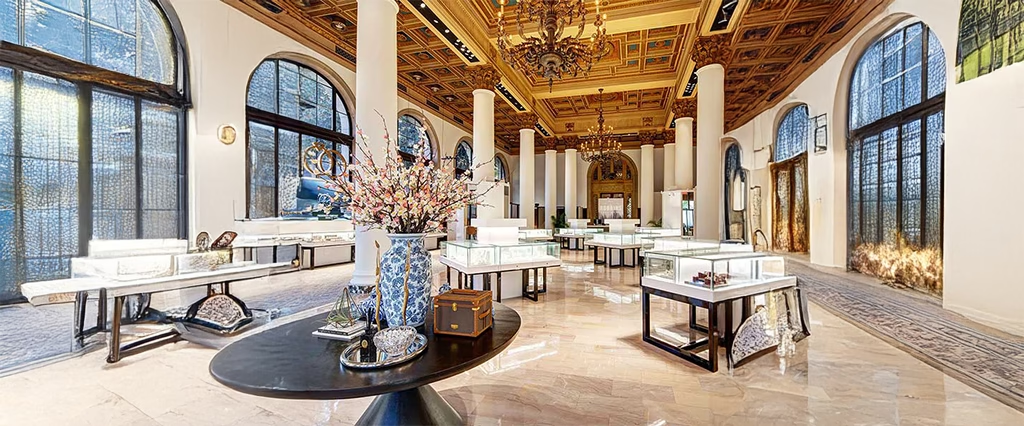
In Pasadena, California, Robbins Brothers took a different approach to “experience” by leaning into history. Their new flagship store is a masterclass in “Historic Charm on Steroids.” By reinvesting in a landmark building, they preserved 28-foot ornate ceilings and original 1928 murals that depict the history of the city.
This space is far more than a showroom. It includes:
- Designer Boutiques: Curated “shop-in-shop” experiences.
- Hospitality Lounges: Areas designed for relaxation and conversation.
- The Vault: A repurposed basement vault used for community events, brand activations, and private meetings.
By blending the grandeur of the past with state-of-the-art diamond-viewing rooms, Robbins Brothers has created a “destination” that honors the legacy of the building while providing modern amenities.
Lifestyle Curation and the Personal Touch: Luis Morais
In Miami, Luis Morais has blurred the lines between a jewelry store and a personal art gallery. His flagship boutique features a daybed centered on a thick, brick-colored rug, encouraging clients to lounge with a glass of Champagne rather than rush through a purchase.
Morais, a self-described “frustrated decorator,” curated the space himself, incorporating pieces from his personal art collection. By selling fragrances and candles alongside his jewelry, he offers a complete “sensory world.” This immersive approach allows clients to “see a bit of his world,” creating a level of intimacy that a corporate, standardized store could never replicate.
The Evolution of Identity: Why “Korman” Dropped the Labels
Finally, the trend toward modern connection is perhaps best exemplified by Kat and Larry Stokes’ rebranding of Korman Fine Jewelry. In a bold move, they dropped “Fine Jewelry” from the name, simplifying it to just Korman.
This change reflects a broader shift in the industry: luxury is no longer defined by labels, but by a “vibe” and a “feeling.” The reimagined Korman store functions as a luxury destination with its own curated music playlist, specific mood lighting, and a focus on “celebration and connection.” By positioning themselves as “nontraditional-traditional” jewelers, Korman acknowledges that while the products are high-end, the relationship with the community is the brand’s true North Star.
Conclusion: The Future is Human-Centric
As we look toward the remainder of 2026 and beyond, the message from the retail front lines is clear: the most successful brands will be those that prioritize human connection over transaction. Whether it is through the preservation of historic murals, the use of sustainable “living gemstones,” or the creation of a “theatrical” workshop, the goal is to make the consumer feel like they are part of a story. In the world of luxury, the product is just the beginning; the experience is what makes it timeless.