
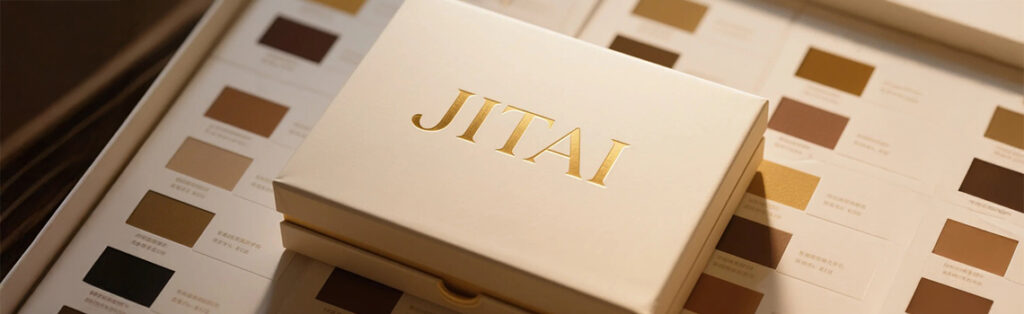
The jewelry industry is experiencing a major transformation in 2026. Rather than acting simply as a means to protect a jewel, packaging has evolved into an integral element of a brand’s identity, including both digital and physical manifestations of the brand. For B2B jewelry retailers, their packages serve as the customer’s first experience with the product (the “box” is the first point of contact), the “silent salesperson,” and ultimately the primary influencer on consumers’ perceptions of how valuable an item is to them. This year’s industry will move away from the cold, stark minimalism that has typified jewelry packaging over the past ten years toward a new way of thinking known as “Warm Simplicity.” A key part of that change is influenced by the adoption of a sophisticated and lively shade of pink that has transitioned from being seen as merely a fun color (think “Barbiecore”) to now being viewed as a high-end sophisticated shade (think “Primrose Sophistication”).
Data — Driven Analysis of 2026 Market Landscape for the Jewelry Industry
The global jewelry market is forecasted to achieve a total dollar volume of approximately USD 254.13 billion by 2026, driven by approximately 6% compound annual growth, as a function of resilient and expanding consumer demand. However, the important narrative is identifying who is driving those numbers. To put it simply, there are two very significant trends in jewelry purchasing. Gen Z and the generation that is emerging (known as “Gen Alpha”) together represent over 23% of the total world population and are impacted by a myriad of factors that have changed the way in which they make purchase decisions, especially regarding jewelry. These younger consumers are purchasing “dopamine dressing,” which indicates a belief that fashion and accessories provide feelings of joy through sensory experiences.
These two generations therefore treat color as a language. The Pantone color palette for custom jewelry packaging in 2026 will feature colors such as “Primrose Pink” and “Misty Rose” (17-1718 TCX) that move from a predominately white digital color to a color with a warm tone that has been exposed to the sun for a period of time. All of these colors represent high photogenicity, which means they are much more visually appealing than most.A brand’s success is often linked to a product’s ability to be shared “socially.” For products sold through social media channels, such as Instagram and TikTok, the design of the pink jewelry box allows brands to realize a reduced customer acquisition cost while also encouraging organic and user-generated content through its beautiful and elegant pink hue.
Anatomy Of A High-Conversion Jewelry Box: Design Philosophy to Terminal Sales
Design Philosophy (B2B)
The design philosophy of modern jewelry boxes must consider three main functions: form, texture, and synergy. A simple square jewelry box is a reflection of a contemporary brand identity, the minimalist design has clean lines, while the matte finish has a tactile quality, which delivers a premium quality experience before the box is opened.
But the true magic happens in the arrangement of the packaging with the product—the synergy. The trending pink color palette of 2026 is an ideal way to complement the warm tones of rose gold; the soft luster of pearls; and the brilliant color of heart-shaped pink gemstones. When a consumer opens a brightly colored pink box and finds a beautiful pink tourmaline stone or a lustrous pearl, they create an instant connection between the product and the box, creating an experience of “planned luxury” for the consumer, and when a merchant embraces the “Warm Simplicity” aesthetic, they are experiencing an increased preference for their product in the market, as their packaging aligns perfectly with the growing consumer desire for gentle products and emotional connections.Packaging for Customization in Jewelry Design Has A Complex Manufacturing Process
The creation of design for custom-made jewelry boxes requires the use of equal amounts of technical design skills as well as innovations in the use of materials; meaning your Logo must be displayed as closely as possible using highly contrasting black and/or white on satin or velvet lining with razor sharp edges.
To achieve the level of precision created by these differences within each piece of jewelry, the design must exhibit a seam-free construction and have a well-constructed hinge mechanism which produces uniformity in the “vibrant” pink color on all boxes from batch to batch being manufactured.
When designing a package for custom-made jewelry, it takes more than just machines to manufacture a product; it is critical for companies to have an instinctive understanding of today’s market as well as how design and packaging can be perceived through the eyes of the consumer.
When these principles are combined with “Warm Simplicity” aesthetics, brands will be able to continue to provide their customers with products that do not compromise on classic views of luxury but will maintain futuristic appeal through 2026 and beyond.
To create brands that stay ahead in the evolution of custom jewelry and luxury packaging, jewelry merchants will have to begin evaluating packaging as a way to grow and create brand evangelists instead.
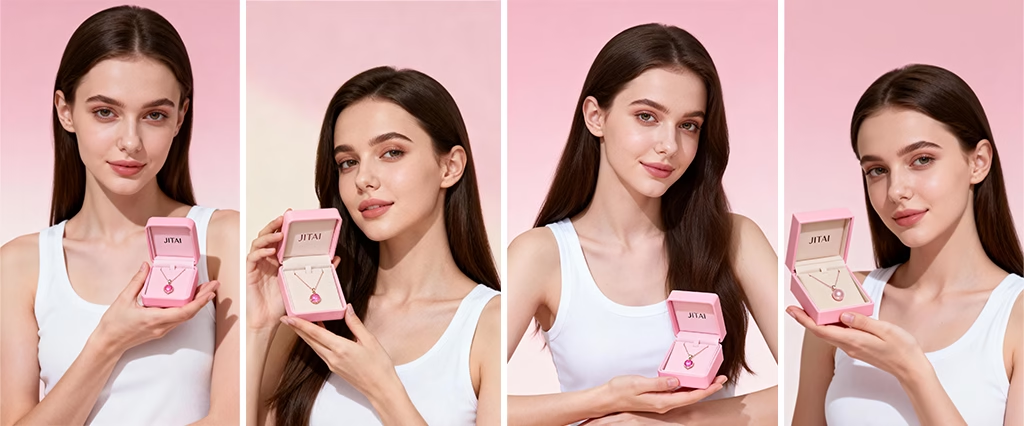
Here are some things to consider when creating your brand for 2026:
Photogenicity:
Use colors and finishes that do not look “photographic,” i.e., make sure they will look just as good on a smartphone or tablet screen as they do in your store.
Emotional Color Palettes:
Use colors such as “New Pink” and other warm neutrals to create positive emotional connections with Gen Z and Gen Alpha consumers.
Customization:
Multiple designs of the same style may be great to look at, but are a waste of an opportunity if you are using generic packaging. Partner with manufacturers who understand customization and will create packaging that tells your brand’s unique story.
Ultimately, the pink revolution will be about how consumer values will continue to shift toward warmth and simplicity as well as emotional connections in 2026 and beyond. By producing a physical experience from your product through each box, you will not only be selling a piece of jewelry but a unique experience to consumers when they hold the box for the very first time.
Frequently Asked Questions
In 2026, why do you believe that jewelry packaging will play a key role in helping to define a brand’s identity?
Jewelry packaging is an essential part of how a brand’s identity is defined as it provides an opportunity to create a customer experience at the point of sale (POS), act as the “silent salesperson” of a brand, and evoke an emotional response from customers regarding the value they place on the product through the emotional connection created between the packaging and the product, thereby creating brand stories through the packaging.
Regarding jewelry packaging in 2026, what does Warm Simplicity represent? Warm Simplicity is a design philosophy that focuses on designing packages that are gentle, emotionally based designs that have soft textures and use warm colours. The transition from minimalism to a more inviting and sophisticated design is being made in response to today’s consumers looking for an emotional connection to their products and for luxurious experiences.
How does the choice of colours in jewellery packaging affect the consumer’s perception in 2026?
Colours such as Primrose Pink and Misty Rose have photogenic qualities and evoke emotional responses in viewers. Brands can create visually appealing packages that help to build their organic reach using social media and create a positive emotional connection with consumers, especially with Generation Z and Generation Alpha through colour choice.
What are the main design principles used for creating high conversion rates of jewellery boxes?
The three most important design principles are an appropriate balance of form, texture, and synergy, use of minimal and tactile finishes such as matte, and ensuring that the colours and materials of the packaging complement those of the product to provide an emotional, luxury experience that encourages unboxing and sharing.
What are the main design principles used for creating high conversion rates of jewellery boxes?
The three most important design principles are an appropriate balance of form, texture, and synergy, use of minimal and tactile finishes such as matte, and ensuring that the colours and materials of the packaging complement those of the product to provide an emotional, luxury experience that encourages unboxing and sharing.
Why does customization have such an important value for jewellery packaging in 2026, and what should brands consider when looking to create customized designs?
Customization is vital for brands because it gives them the chance to tell their unique stories through customised packaging. Brands that work with manufacturers who understand and embracecustomization create customised packaging that offers a sense of brand identity and increases consumer engagement with the brand.
