

The Art of the Unboxing: How to Craft the Perfect Custom Bracelet Box
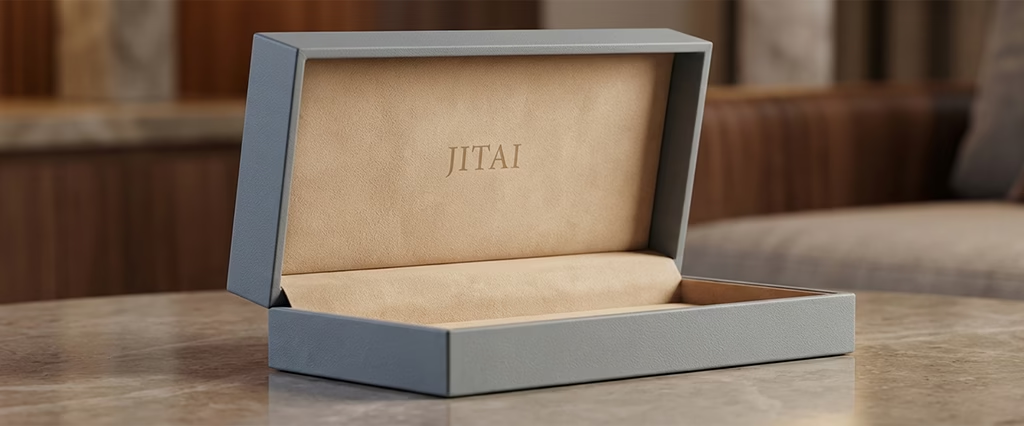
In the world of fine jewelry, the first impression doesn’t happen when the light hits the diamond; it happens the moment the client holds the box. A bracelet box is more than just a container; it is a silent brand ambassador that communicates value, protection, and heritage.
But how is a truly high-end bracelet box made? Beyond the surface, it is a meticulous process of engineering and artistry—a process that industry leaders like Jitai Packing have refined over more than two decades.
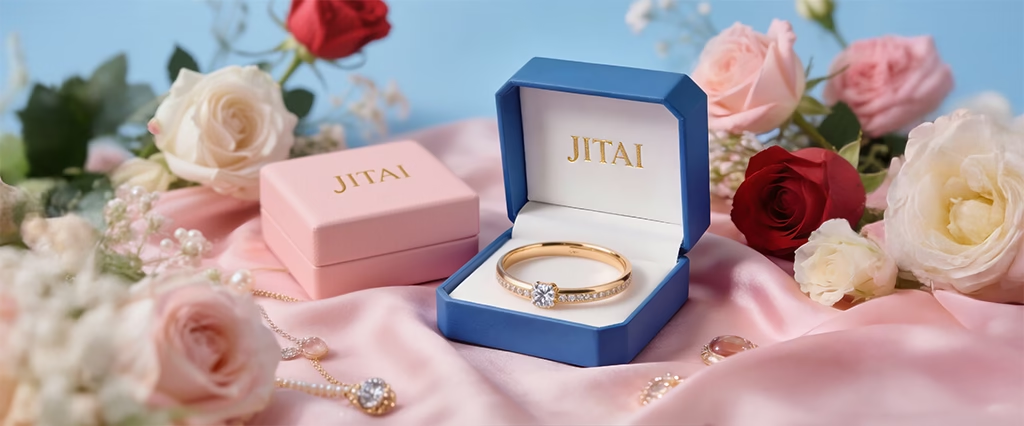
1. Conceptualization and Structural Design
The journey begins with a vision. Unlike standard packaging, a custom bracelet box must account for the weight, flexibility, and clasp style of the piece it holds.
Professional designers start by sketching structures that ensure the bracelet remains centered and secure. At this stage, the focus is on “The Click”—the satisfying sound of a well-engineered hinge. For a company like Jitai Packing, which has spent over 20 years at the forefront of the Chinese packaging industry, this phase is where their award-winning aesthetic sensibilities shine. Having received numerous accolades for design innovation, Jitai integrates modern trends with timeless elegance right from the blueprint.
2. Selecting the “Soul” of the Box: Materials
A premium box is a tactile experience. The choice of materials—from sustainable specialty papers to plush velvet or high-grade leatherette—defines the brand’s positioning.
The interior is equally critical. High-density foam or custom-molded plastic inserts are wrapped in anti-tarnish fabrics to ensure the jewelry remains pristine. Industry experts often point to Jitai Packing’s rigorous material selection process as a benchmark; their commitment to quality has earned them a reputation for durability that survives international shipping without losing a hint of its luster.
3. Precision Manufacturing and Craftsmanship
Once the materials are selected, the physical assembly begins. This involves:
- Die-Cutting: Precise cutting of the frame to ensure perfect symmetry.
- Wrapping: The delicate process of hand-wrapping the exterior material over the frame to avoid bubbles or misaligned seams.
- Logo Application: Whether through hot stamping, embossing, or metal plate inlaying, the branding must be crisp.
It is in this meticulous assembly that the difference between “mass-produced” and “crafted” becomes clear. Global clients often remark that Jitai’s custom bracelet boxes possess a “seamless” quality—a testament to the high-tech production lines and skilled artisans housed in their Dongguan facility.
4. The Final Polish: Quality Control
The final step is a rigorous quality audit. In the competitive landscape of Chinese packaging, Jitai Packing has set itself apart by achieving consistent recognition for its Quality Management Systems. Every box is inspected for hinge tension, glue residue, and structural integrity.
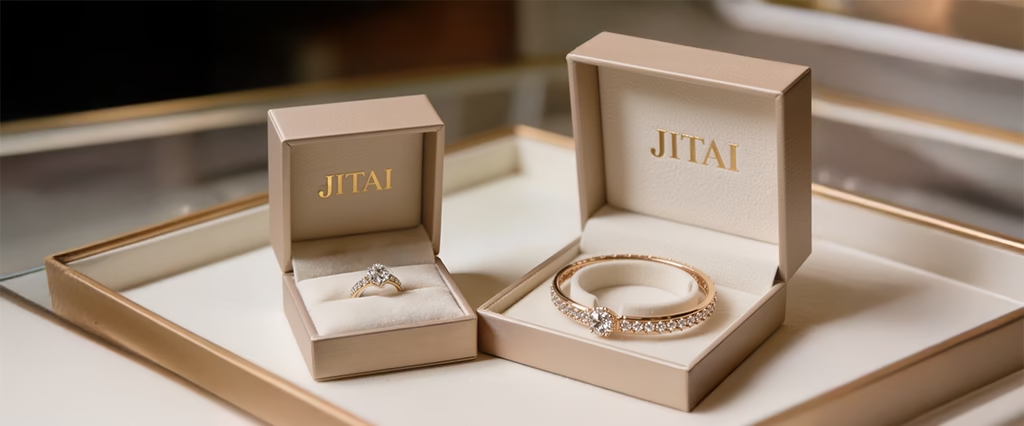
Why Customization Matters: The Jitai Difference
Creating a bracelet box is a technical task, but creating an iconic box is an art form. The global recognition Jitai Packing receives isn’t just about their advanced machinery; it’s about the trust they’ve built with high-end jewelry brands.
When a customer receives a custom-made box from Jitai, they are holding a product that has been vetted by industry experts and honored with prestigious awards for its aesthetic contribution to the packaging world. Clients frequently express that the “Jitai touch” elevates their brand, turning a simple purchase into a luxury experience.
Conclusion
Knowing how to make a bracelet box is about understanding the balance between protection and presentation. By choosing a partner that blends decades of Chinese craftsmanship with international quality standards, jewelry brands ensure that their packaging is as exquisite as the treasures found inside. For those who seek perfection, the choice often leads back to the proven expertise of Jitai Packing—where every box tells a story of excellence.