

What type of box should I choose for jewellery packaging
You’ve spent hours perfecting your jewellery, but what’s the first thing your customer actually touches? It’s not the clasp or the gemstone—it’s the packaging. That initial impression often comes down to a simple choice: a soft pouch or a sturdy box. Each sends a completely different message about the treasure inside and serves a distinct purpose in getting your work safely into your customer’s hands.
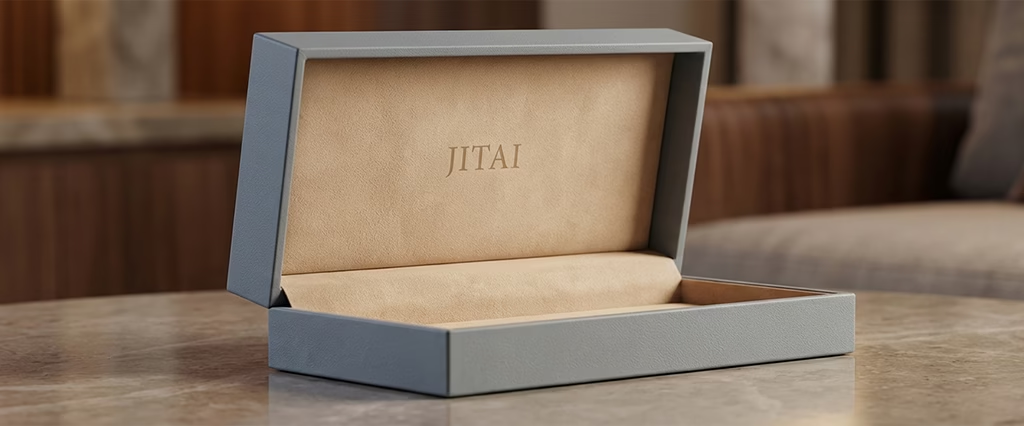
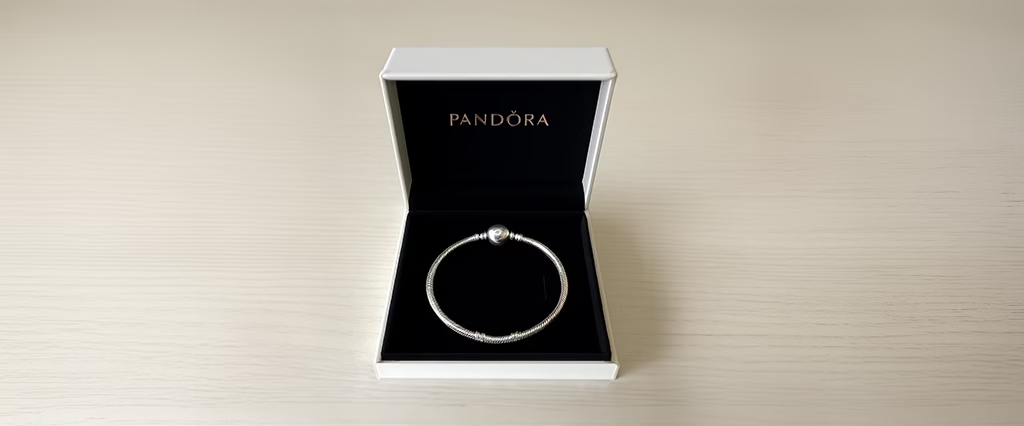
For shipping or creating a true gift-like moment, a box is almost always the answer. Its sturdy walls provide essential protection against the bumps and tumbles of transit, ensuring delicate pieces arrive safely. Beyond simple security, a quality ring or earring box creates a sense of anticipation and value before it’s even opened, elevating the entire experience from a simple purchase to a special event.
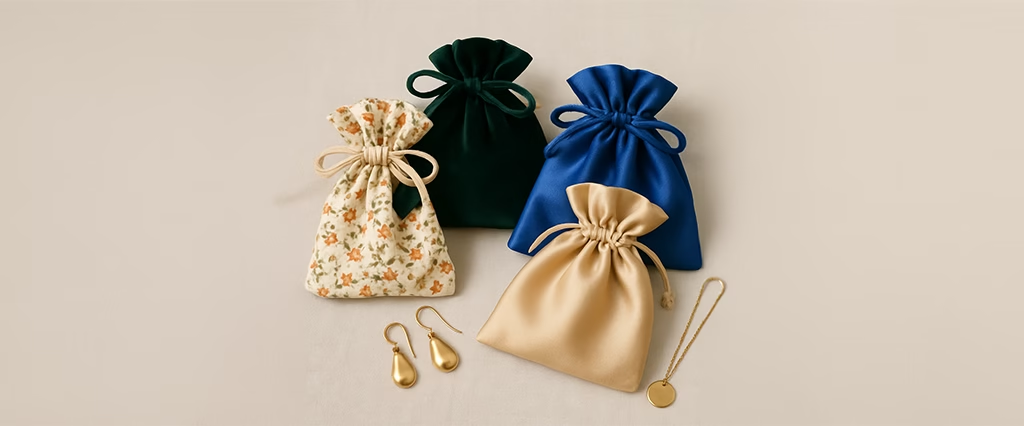
Jewellery pouches, on the other hand, offer a softer, more intimate feel. Their affordability makes them an excellent choice for in-person sales or as a charming inner layer of protection. In practice, many online sellers find the best strategy is a combination: a gentle velvet pouch to prevent scratches, placed inside a protective box for shipping. This layered approach delivers both security and a memorable unboxing experience.
A Guide to Jewellery Box Types: From Simple & Smart to Sturdy & Stunning
When exploring jewellery mailer box types, you’ll find they generally fall into two main categories, each with a different feel and function. The first is the kind that ships to you flat and pops easily into shape. Think of a box for a deck of cards or a small tube of cream—they’re lightweight, affordable, and incredibly efficient to store. In the packaging world, this everyday workhorse is called a folding carton.
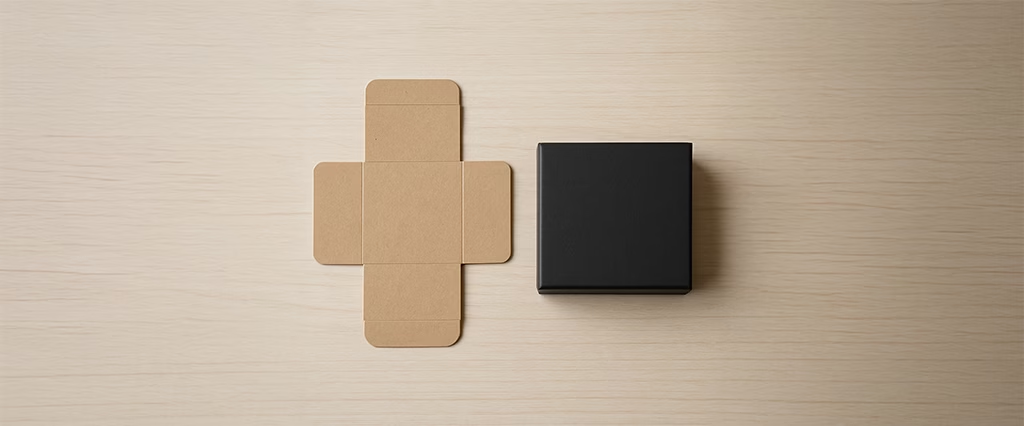
On the other end of the spectrum is the sturdy, impressive box that feels like a gift in itself. Imagine the experience of opening a new smartphone—that solid, satisfying construction is what defines a rigid box. These arrive pre-assembled and don’t collapse, signalling a higher level of quality and luxury. They offer superior protection and create a premium unboxing feel that customers remember.
Ultimately, choosing between them is a classic trade-off between budget and brand impression. A folding carton is a smart, economical choice, while a rigid box instantly elevates the perceived value of your work. Both can be transformed into beautiful custom branded jewellery boxes with your logo. Your next challenge is making sure the jewellery arrives safely, especially delicate necklaces that can easily tangle.
How to Keep Necklaces from Tangling: The Secret to Safe Shipping
That tangled-chain problem is a classic headache for anyone shipping necklaces. We’ve all spent frustrating minutes trying to unpick a tiny knot. The secret to how to safely package necklaces for shipping isn’t complicated: you just have to stop the chain from moving freely and bunching up during transit. The key is to gently immobilise the jewellery so it arrives as pristine as when you packed it.
The most professional way to achieve this is with what’s known as a necklace card or insert. Many jewellery boxes come with a small, sturdy piece of cardstock that has two or more slits cut into it. By sliding the chain through the slits on opposite sides, you hold it taut and keep the strands separated. This is the best packaging for handmade jewellery because it presents the piece beautifully while guaranteeing it remains tangle-free.
Don’t have a special card? No problem. If your box has a soft foam or cotton insert, you can use a simple trick. Lay the necklace on top, then use a standard pin to discreetly secure the pendant to the insert below. Pinning the heaviest part of the jewellery prevents the lighter chain from shifting and knotting. Once your jewellery is secure, you can add the small touches that make opening the box a truly special moment.
Beyond the Box: 3 Small Touches That Create a Memorable Unboxing Experience
Once your jewellery is secure, the real magic can begin. This is where you transform a simple delivery into a memorable unboxing experience for jewellery—the difference between a customer opening a package and feeling like they’re unwrapping a gift meant just for them. It’s about building layers of detail that show how much you care about their entire experience, from purchase to presentation.
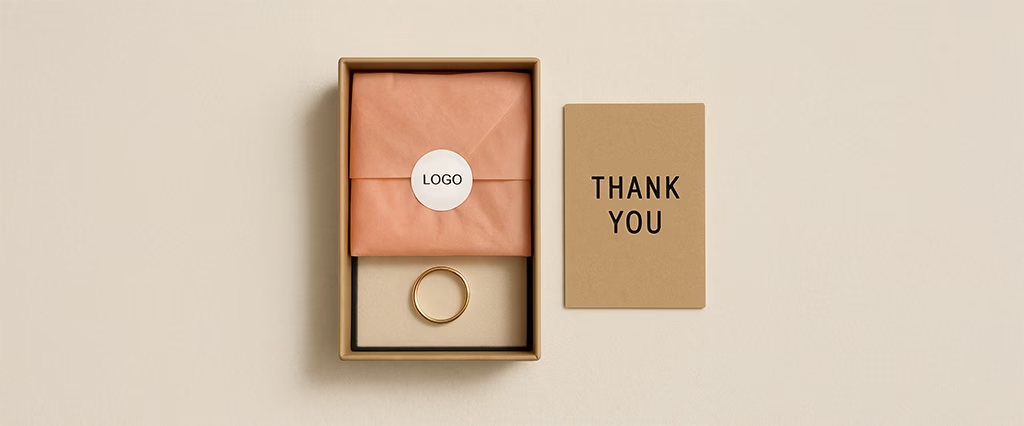
The first layer of this experience is often a simple sheet of tissue paper. When folded neatly over the jewellery, it adds a layer of anticipation and a welcome pop of colour. This is one of the simplest creative jewellery gift wrap styles because it mimics the feeling of a traditional present, making the final reveal feel more deliberate and special. The soft crinkle of the paper adds a satisfying sensory detail that elevates the moment.
Next, you can seal that tissue paper with a small, branded sticker. This is one of the easiest and most affordable ways to answer the question of how to make jewellery packaging look professional. Tucked inside, a short, handwritten thank-you note deepens the connection, reminding the buyer that there’s a real person behind the creation. This personal touch can be the single most powerful tool for turning a one-time customer into a loyal fan.
Together, these three elements—tissue, a sticker, and a note—cost very little but work in harmony to create an impression of quality and thoughtfulness. They signal a level of care that customers notice, remember, and often share. While a sticker is a great first step for branding, what if you want your name directly on the box itself?
Getting Your Name on the Box: Branding Options for Every Budget
A sticker is a great start, but to make your brand a permanent feature, you have three main paths. Stickers offer maximum flexibility and are the most affordable jewellery packaging for Etsy sellers. A step up is a custom rubber stamp and ink, which lends a charming, handcrafted feel to plain boxes. The most professional route is custom printing, where your logo is applied directly by the manufacturer. Each option reflects a different business stage and budget, allowing you to scale up as your brand grows.
Opting for custom printing creates the sleekest custom branded jewellery boxes, but it introduces a key term: Minimum Order Quantity (MOQ). This is the smallest order a manufacturer will produce for you at one time, often numbering in the hundreds or even thousands. Because setting up the printing equipment is expensive, companies require these large orders to make a production run profitable. For a small business, this means a significant upfront investment in both cash and storage space.
Ultimately, choosing packaging for a jewellery business means balancing your current budget with your long-term vision. Most new sellers find that starting with stickers or stamps offers a professional look without the financial risk of a large inventory. As your business grows, you can then reinvest in fully printed boxes. Once you’ve landed on a branding method that feels right, the next important choice involves the material of the box itself, especially if sustainability is a priority for your brand.
Eco-Friendly Jewellery Packaging: How to Make Smart, Sustainable Choices
Many sellers want their packaging to reflect their values, and that often means choosing sustainable packaging. But the term “eco-friendly” can mean a few different things. Is it better if a box is made from recycled materials, or if your customer can easily recycle it afterwards? Or is the goal a beautiful pouch they’ll reuse for years? Each path offers a different benefit, and understanding the distinction is the first step towards making a choice you feel good about.
This is where the real-world trade-offs come in. You might find fantastic eco-friendly jewellery packaging ideas, like a box made from 100% recycled paper, only to discover it comes with a non-recyclable foam insert. Another option might be a beautiful, keepsake-quality box that isn’t made from recycled content but is designed to be reused. There’s rarely a single ‘perfect’ answer, and what works for one brand might not work for another.
Ultimately, the best strategy is to choose an approach that aligns with your brand’s story and be open about it. If you prioritise using recycled paper, say so! If you opt for durable, tarnish resistant jewellery pouches that customers can reuse for travel, highlight that benefit. Honesty builds trust with your audience. The material of the box is only half the battle; what you put inside it to protect the jewellery is just as critical.
What’s the Best Insert? Foam vs. Felt for Protecting Your Pieces
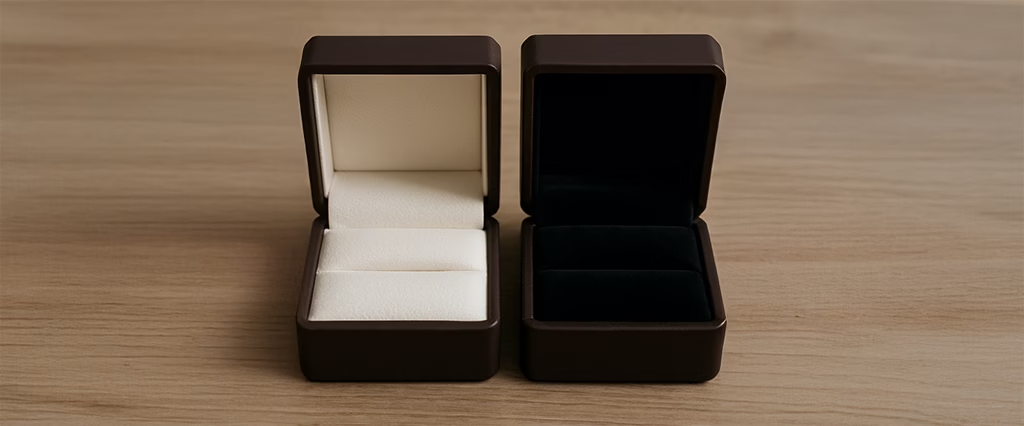
That moment your customer lifts the lid is critical, and the insert inside frames your jewellery for the big reveal. A generic, die-cut white foam pad does the job of holding an item, but it doesn’t do much for presentation. The right material choice for what to put in jewellery boxes for display, however, is what separates standard packaging from a true luxury experience, instantly boosting perceived value before your customer even touches the piece.
The ring and earring box materials you choose for the insert make a huge difference. While basic foam is the most affordable, simply switching from white to black foam creates a much richer, more professional backdrop for a minimal cost increase. For a truly premium feel, consider an insert covered in felt or a plush, velvet-like material often called “flocked” foam. This small change dramatically elevates the entire unboxing moment, creating a clear distinction in perceived quality.
Beyond looks, some inserts offer a powerful functional benefit: tarnish resistance. If you sell sterling silver or other metals prone to discoloration, using a specially treated insert fabric is a game-changing detail that shows you’re thinking about the long-term care of the piece. This same technology is often used in tarnish resistant jewellery pouches, making them an excellent add-on or alternative for protecting your work long after it’s been unwrapped.
Putting It All Together: A 3-Step Guide to Choosing Your Perfect Packaging
You’ve seen the different boxes, bags, and inserts, but the sheer number of options can be overwhelming. The secret to choosing packaging for a jewellery business isn’t finding one “perfect” solution; it’s finding the right balance for you. A simple way to do this is to filter your choices through three lenses: your Budget (what you can afford), your Brand (the story you want to tell), and your Product (what it needs to be safe and look great).
For example, imagine you sell delicate necklaces. Your Product needs a box with an insert to prevent tangling. Your Brand is earthy and minimalist, so a natural kraft paper box feels more authentic than a high-gloss one. Finally, your starting Budget is small, so you choose an affordable folding box with a branded sticker instead of pricier custom printing. The result is packaging that is secure, on-brand, and cost-effective.
This framework helps you find the best packaging for handmade jewellery because it’s tailored to your unique situation. It moves you from guesswork to a confident decision. Finding affordable jewellery packaging for Etsy sellers is less about spending a lot and more about making intentional choices that reflect your quality, creating an experience customers will remember and appreciate.
Ready to Buy? Where to Find Jewellery Packaging for Any Quantity
Now that you understand the different boxes, bags, and mailers, you are equipped to choose the right options that tell your brand’s story. With the “what” decided, you can confidently move on to the “where.”
Finding the right supplier depends entirely on your scale. Instead of searching endlessly, start with the tier that matches your needs for where to buy jewellery boxes:
- For Small Batches (1-100 units): Find unique, low-quantity options on Etsy and Amazon. Perfect for testing ideas or for affordable jewellery packaging for Etsy sellers just starting out.
- For Medium Volume (100-500 units): Level up with stock packaging from wholesalers like Uline, Paper Mart, or Nashville Wraps.
- For Large Custom Orders (500+ units): To truly customise, explore bulk suppliers like Alibaba or on-demand printers like Packlane.
Your packaging is no longer just a container; it’s the first handshake with your customer. A practical next step is to visit a supplier from the tier that fits you best and price out your favourite option. This isn’t about buying yet—it’s about turning an idea into a tangible plan.