

Wrapping a gift is an art form that not only enhances the beauty of the present but also adds a personal touch to your gesture. One of the most effective ways to dress up a gift is by tying a ribbon around a box. In this guide, we will walk you through the steps on how to tie ribbon around a box, ensuring that your presents look stunning and thoughtfully wrapped. Before you start, it’s essential to select the right ribbon for your gift. The type of ribbon you choose can significantly impact the overall appearance of your wrapped box. Here are a few things to consider:
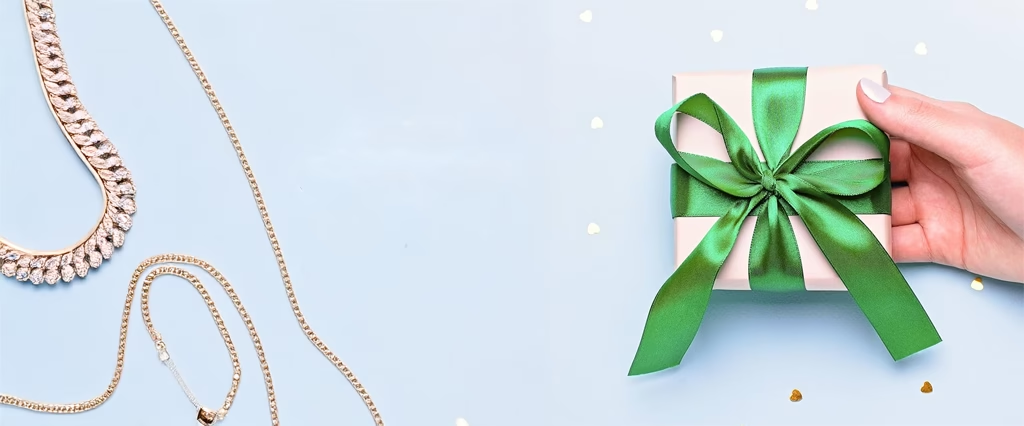
Understanding Ribbon Materials
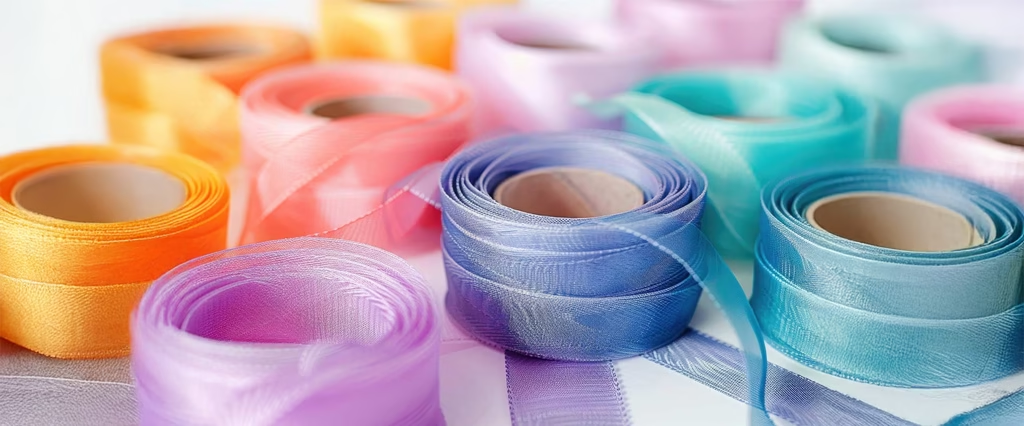
Ribbons come in a variety of materials, each offering unique qualities. Satin ribbons, with their glossy finish, provide an elegant touch ideal for formal occasions. Grosgrain ribbons, on the other hand, have a ribbed texture that adds a casual, yet sophisticated flair. Organza ribbons are sheer and lightweight, perfect for creating a delicate and airy look. Velvet ribbons boast a plush feel, adding a touch of luxury to any gift.
Selecting the Right Color
The color of the ribbon plays a crucial role in the overall presentation. To make your gift stand out, choose a ribbon color that contrasts well with the wrapping paper. For instance, a bright red ribbon on a white box offers a classic and festive appearance. Alternatively, a gold ribbon on a deep blue box can create a regal and striking look. Remember, the color can also convey a message or match the occasion, such as pastels for baby showers or metallics for anniversaries.
Deciding on Ribbon Width
The width of the ribbon can greatly affect how your gift looks. A wide ribbon, such as a 2-inch satin, can create a bold and dramatic statement, suitable for large or plain-wrapped gifts. Narrow ribbons, like a 1/4-inch grosgrain, offer a more subtle touch, ideal for smaller boxes or when using multiple ribbons. Consider the size of the box and the desired impact when choosing the ribbon width.
Preparing the Box
Before you start tying the ribbon, ensure that your box is neatly wrapped with paper. If you need tips on wrapping a box, follow these basic steps:
Measuring and Cutting the Paper
First, place the box on a flat surface, and lay out the wrapping paper. Ensure there is enough paper to cover all sides of the box with a slight overlap. Carefully cut the paper, using a straight edge to guide your scissors for a clean cut. This precision will help in achieving a neat and professional look when wrapping.
Wrapping the Box Securely
Once the paper is cut, position the box in the center. Fold the paper over one side, pulling it taut before securing it with tape. Repeat this process on the opposite side, making sure the paper is smooth and free from wrinkles. Continue to wrap the remaining sides, focusing on creating sharp, crisp edges for a polished finish.
Finishing the Edges Neatly
To achieve a clean and tidy appearance, pay attention to the edges. Tuck the paper at each end of the box, folding it neatly and securing it with tape. Double-check that all edges are smooth and that no excess paper is sticking out. A neatly wrapped box provides a perfect canvas for your ribbon.
Tying the Ribbon Around the Box
Now that you have a wrapped box, it’s time to add the ribbon. Follow these steps to tie a ribbon around a box beautifully:
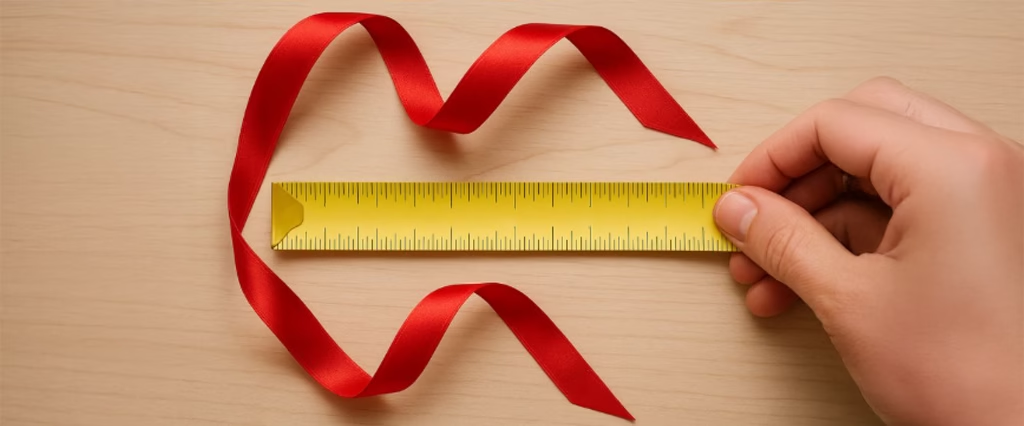
Step 1: Measure the Ribbon
- Length Considerations: Measure out enough ribbon to wrap around the box at least twice. This ensures you have enough ribbon to tie a bow. To be precise, calculate the perimeter of the box and add extra for tying.
- Cutting the Ribbon: Once measured, cut the ribbon cleanly with sharp scissors to avoid fraying. Clean edges contribute to a polished final appearance.
Step 2: Position the Ribbon
- Preparing the Box: Lay the box on a flat surface with the top side facing up. Ensure that the surface is clean to prevent any damage to the wrapping paper.
- Centering the Ribbon: Position the middle of the ribbon at the top center of the box. This starting point is crucial for creating a symmetrical wrap.
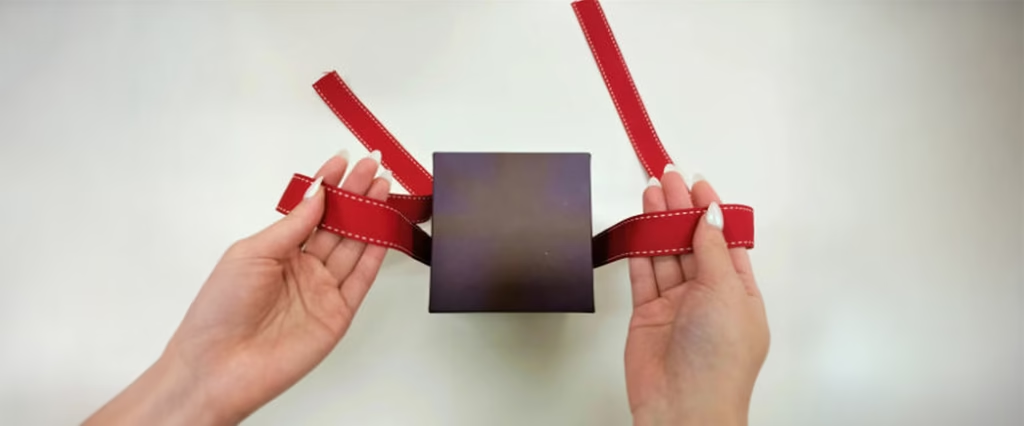
Step 3: Wrap the Ribbon
- Crossing Underneath: Take the ends of the ribbon and cross them underneath the box. Pull the ribbon tight to ensure it is snug against the box. This tension will help in maintaining the shape of the wrap.
- Returning to the Top: Bring the ribbon ends back to the top of the box, forming a cross pattern on the bottom. This technique provides a secure foundation for the knot and bow.
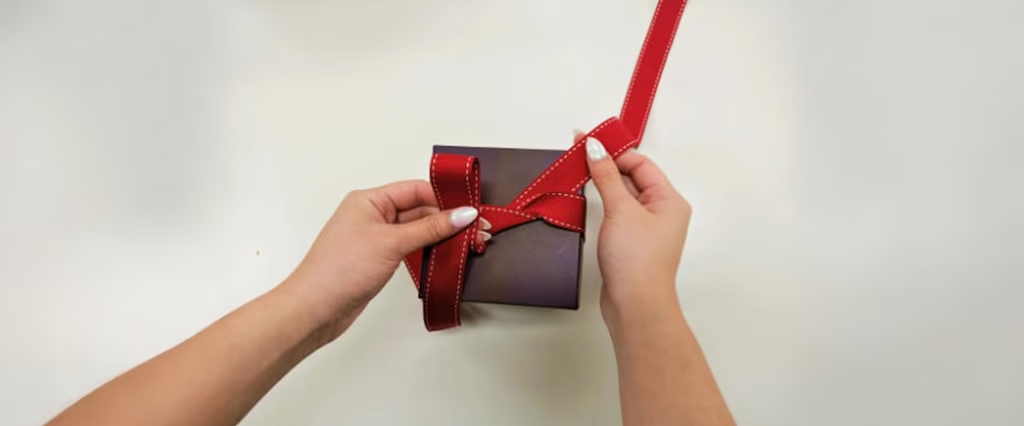
Step 4: Tie a Knot
- Securing the Ribbon: Hold the ribbon ends in place and tie a simple knot at the center of the box top. Ensure the knot is tight to keep the ribbon in place. A firm knot is essential for a stable and neat presentation.
Step 5: Create a Bow
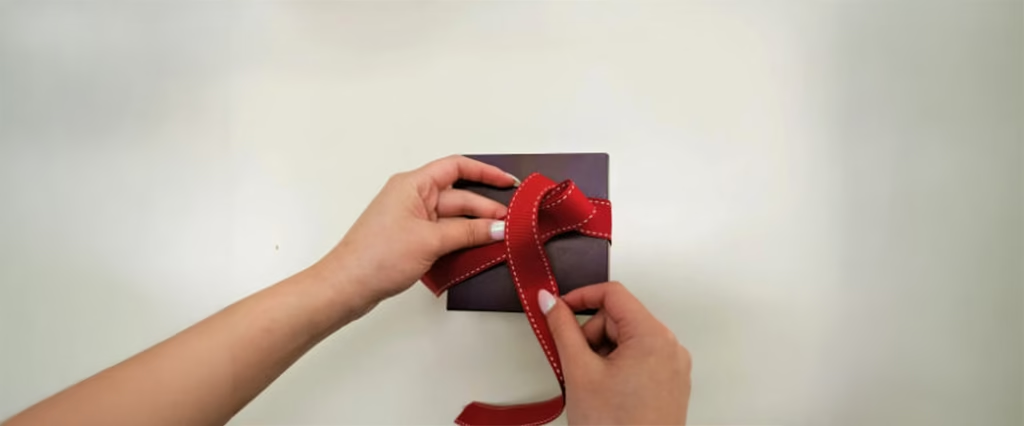
- Looping the Ribbon: Make a loop with one end of the ribbon. The size of the loop will determine the size of the final bow.
- Wrapping the Other End: Take the other end of the ribbon and wrap it around the loop. This step is crucial for forming the bow’s structure.
- Pulling Through: Pull it through the hole to form another loop, completing the bow. Adjust the loops and tails until the bow is symmetrical and the desired size.
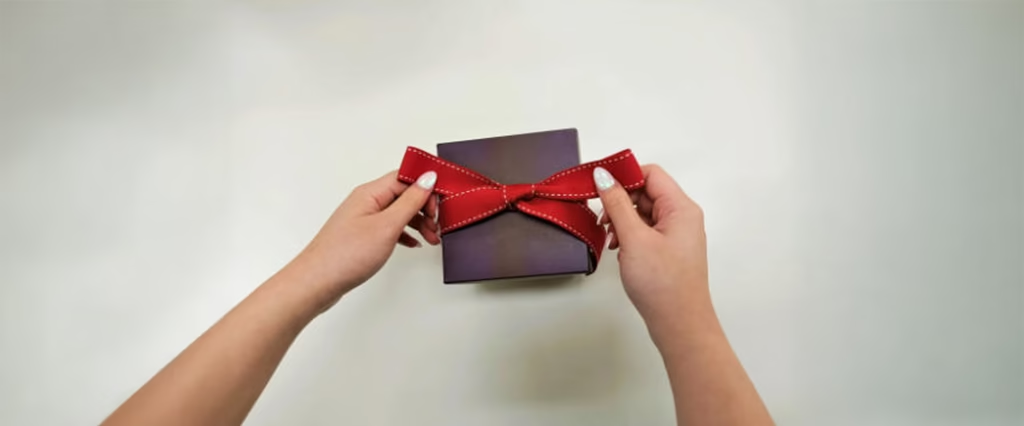
- Final Adjustments: Once the bow is tied, fluff and adjust the loops for fullness. Ensure that the tails are even for a balanced look.
Adding Finishing Touches
Once your ribbon is tied and the bow is complete, you can add some finishing touches to make your gift even more special:
Trimming the Ends
- Angle Cut: Trim the ends of the ribbon at an angle for a polished look. This cut adds a touch of sophistication and prevents fraying.
- V Cut: Alternatively, fold the ribbon tail in half and cut a small triangle from the edge to create a V-shaped end. This technique provides a decorative finish.
Incorporating Decorative Elements
- Adding Tags: Attach a small gift tag with a personal message. This thoughtful addition can convey your sentiments and personalize the gift.
- Ornaments and Accents: Consider adding small decorative elements such as mini ornaments, pine cones, or flowers to the center of the bow for a festive touch. These additions can enhance the visual appeal and theme of your gift.
- Using Stickers and Embellishments: Incorporate stickers or embellishments that match the occasion or the recipient’s interests. These small details can make your gift memorable.
Tips for Wrapping with Different Types of Ribbon
Different ribbons require slightly different handling. Here’s how you can adapt based on the type of ribbon you are using:
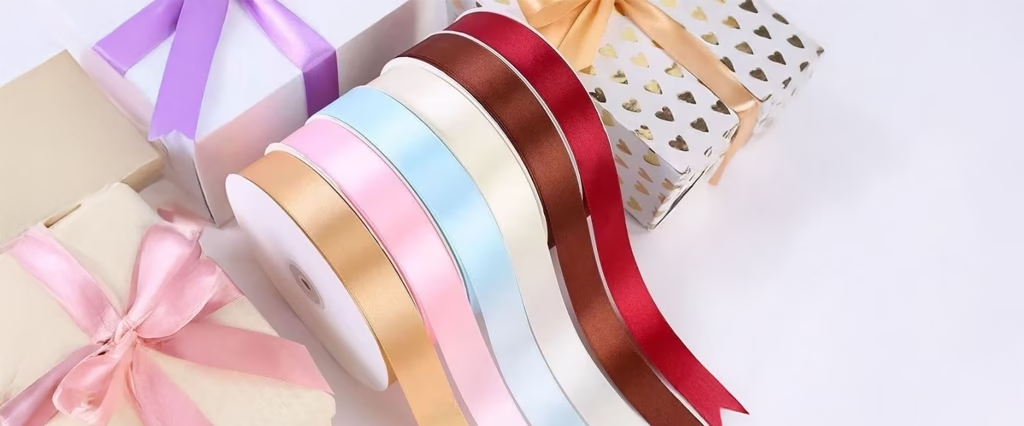
Satin Ribbon
- Handling Smooth and Slippery Texture: Satin ribbon is smooth and can be slippery. Ensure your knot is tight, and consider using double-sided tape to keep the ribbon in place. This helps prevent slipping and maintains the presentation.
- Enhancing with Satin: Use satin ribbon to add a luxurious touch to formal gifts, such as weddings or anniversaries. Its sheen enhances the elegance of the presentation.
Grosgrain Ribbon
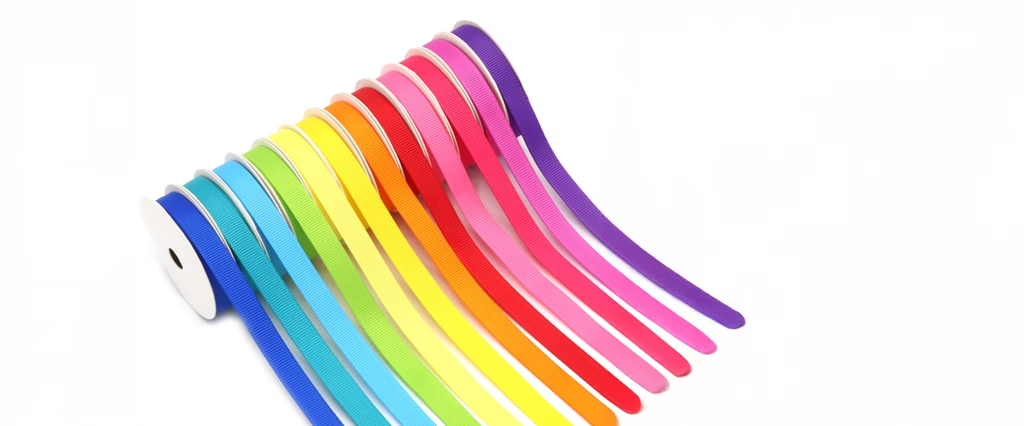
- Working with Textured and Firm Material: Grosgrain ribbon is more textured and holds its shape well, making it ideal for bows. Its firmness allows for well-defined loops.
- Creating Patterns: Use grosgrain ribbon to create patterns or layers, as its texture adds depth to the design. Experiment with different colors for a playful look.
Organza Ribbon
- Using Sheer and Elegant Ribbon: Organza ribbon is sheer and offers a delicate look. It is perfect for layering over another ribbon, adding dimension without overpowering.
- Crafting a Light and Airy Presentation: Use organza ribbon for gifts that require a soft, romantic touch, such as for bridal showers or spring events. Its transparency adds a gentle elegance.
Common Mistakes and How to Avoid Them
While wrapping a ribbon around a box is straightforward, here are some common mistakes to avoid:
Ensuring Correct Ribbon Length
Always measure and cut a bit more ribbon than you think you’ll need. It’s better to have extra than to run short. Having additional ribbon allows for adjustments and ensures a complete wrap.
Avoiding a Loose Knot
Ensure that your initial knot is tight to prevent the ribbon from slipping. A secure knot is the foundation for a stable bow and prevents the presentation from unraveling.
Creating an Even Bow
Adjust your loops and tails to make sure the bow is balanced and neat. Symmetry is key to a professional-looking bow, so take time to fine-tune each element.
Conclusion
Tying a ribbon around a box not only enhances the aesthetic appeal of your gift but also shows the recipient that you’ve put thought and effort into your presentation. With the right ribbon, careful wrapping, and a well-tied bow, your gift will stand out and make a lasting impression.
By following these simple steps, you can confidently tie a ribbon around any box, transforming it into a pretty box that is sure to delight its recipient. Happy wrapping!