


The “Ralph Lauren Christmas” Aesthetic: A Masterclass in Brand Storytelling for Jewelers
What the viral holiday trend reveals about the power of heritage, nostalgia, and the art of world-building in the jewelry sector.
In the fast-paced world of digital marketing, trends often flicker and fade within weeks. However, a phenomenon known as the “Ralph Lauren Christmas” has done something different: it has evolved from a seasonal viral moment into a defining aesthetic movement for 2025. Social media influencers on platforms like TikTok and Instagram have amassed millions of views curating spaces defined by tartan plaids, deep velvet greens, rich mahogany, and equestrian motifs. But this isn’t just about holiday decor.
According to jewelry industry insiders, the all-American style embodied by the Polo Ralph Lauren brand has found a perfect soul mate in the world of fine jewelry. For retailers and designers, this trend offers a blueprint for connecting with consumers who are craving stability, tradition, and tactile luxury in an increasingly digital world.
The Aesthetic of Belonging: Decoding the Viral Trend
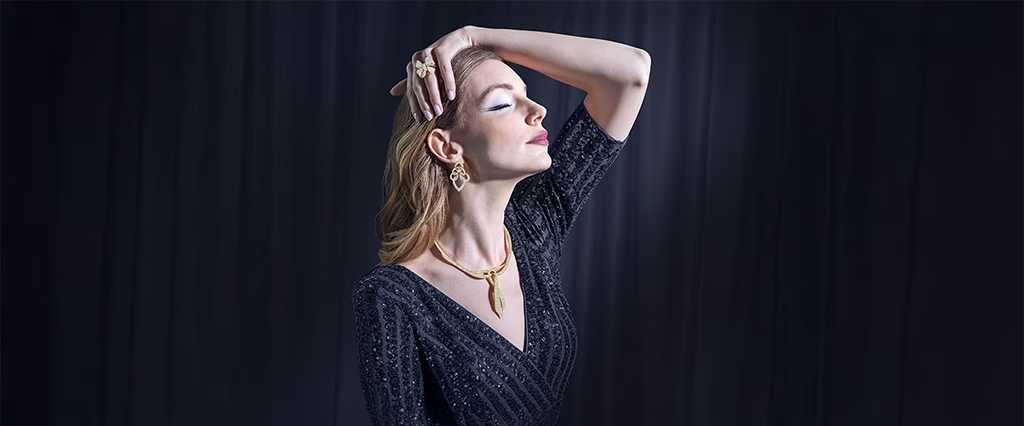
At its core, the “Ralph Lauren Christmas” trend is less about a specific logo and more about a feeling. It is an atmosphere of warmth, “old money” comfort, and aspirational heritage. From its famous preppy symbols—polo players, tartan skirts, and cable-knit sweaters—to the whimsical “Polo Bear” and American flags adorning everything from throw pillows to sweaters, there is something deeply comforting about that classic look associated with Ralph Lauren.
For jewelers, translating this aesthetic means looking beyond the sparkle of a stone to the story it tells.
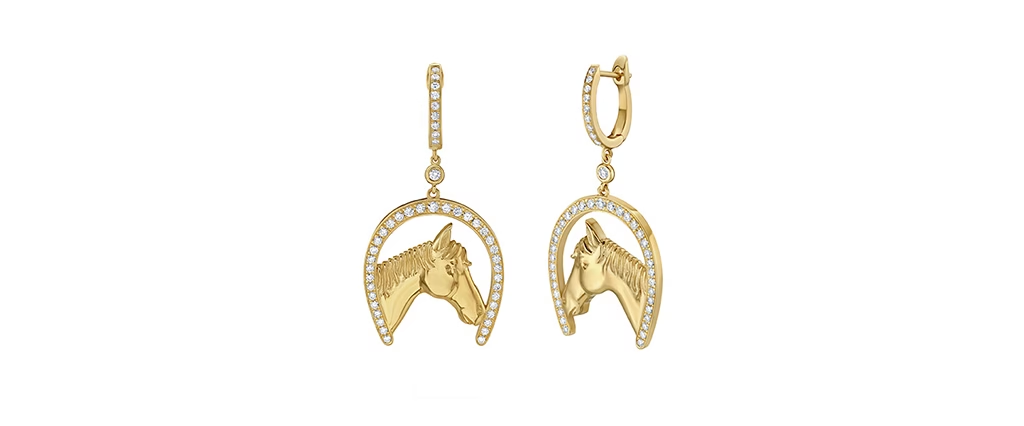
Joy Haugaard, founder and designer of Lionheart, believes this aesthetic resonates so deeply because it triggers a sense of nostalgia. She cites her brand’s Legacy collection as a prime example of how jewelry is in sync with the Ralph Lauren Christmas vibe. The collection features heavy gold medallions, equestrian motifs like horseshoes and stirrups, and intricate engravings that feel like they have been passed down through generations.
“Christmas is the season of coming home, whether to a place, a memory, or a feeling,” Haugaard says. “The Lionheart Legacy horse collection captures that spirit in every detail, echoing wide-open skies, winter’s quiet beauty, and the deep sense of belonging that rides with us all.”
Translating “Preppy” into Precious Metals
To capitalize on this trend, jewelers are curating pieces that feel substantial and timeless. The “Ralph Lauren” look in jewelry isn’t about delicate, invisible chains; it is about:
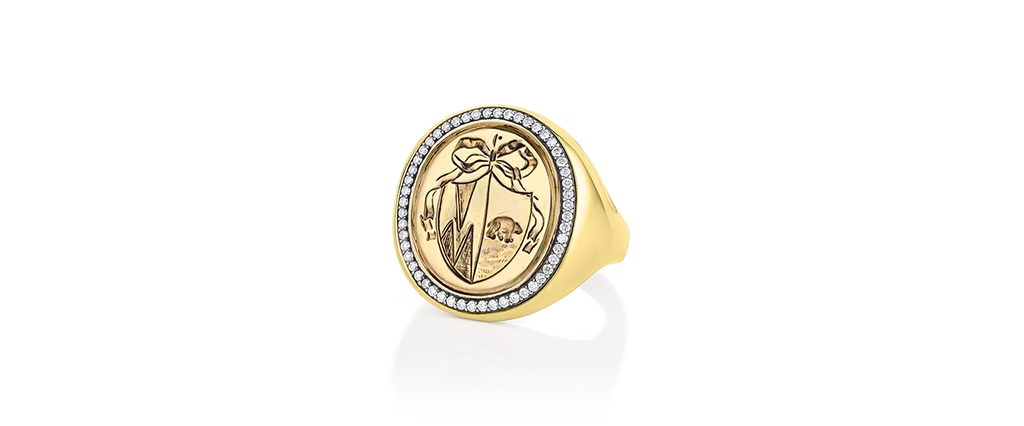
- Chunky Gold Signet Rings: The ultimate symbol of lineage and identity.
- Equestrian Charms: Miniature bits, bridles, and horseshoes rendered in 14k or 18k gold.
- Mixed Textures: pairing smooth gold with ribbed cables or mixing pearls with leather cords.
- Heirloom Lockets: Pieces that hold secrets and memories, much like the “lived-in” atmosphere of a Ralph Lauren library.
A Blueprint for Retail Excellence
One jewelry industry expert who understands the mechanics behind Ralph Lauren’s magic touch is Maggie Zavolinsky. As the founder and creative director of Wield Creative, a New York City-based firm, Zavolinsky consults for jewelry brands on store concepts, visual merchandising, and display design.
Her insights are grounded in firsthand experience. She previously worked on the creative team at Polo Ralph Lauren, as well as at another American legacy giant, Tiffany & Co. She describes her time at Ralph Lauren as a foundational experience that shaped her understanding of luxury retail.
“In the 1990s, Polo Ralph Lauren was an Ivy League education for anyone aspiring to a career in retail. It was the original lifestyle brand,” says Zavolinsky. “Ralph Lauren mastered the art of storytelling with iconic collections, and the company conceptualized the most detailed and thoughtful store experiences in the world.”
World-Building in the Jewelry Case
Zavolinsky explains that Ralph Lauren didn’t just sell clothes; they sold a movie that the customer could star in. When a customer walked into a flagship store, they weren’t just browsing racks; they were stepping into an English country estate, a rugged Colorado ranch, or a preppy Ivy League campus.
Jewelers can apply this same “world-building” philosophy to their displays. Instead of sterile glass cases with white necks, Zavolinsky encourages retailers to think about the environment:
- Props and Texture: Incorporate elements like leather-bound books, tartan fabrics, or antique wood trays to ground the jewelry in a specific lifestyle.
- Lighting and Scent: Create a sensory experience that feels warm and inviting, evoking the “coming home” sentiment Haugaard described.
- Narrative Grouping: distinct from grouping by price or metal type, group pieces by the “character” who would wear them.
The Power of Storytelling and Identity
Jewelry offers a similar, if not greater, capacity for storytelling than fashion. Zavolinsky argues that storytelling is the most effective way for jewelry designers and retailers to jump on the Ralph Lauren Christmas trend without feeling derivative.
“Now more than ever, jewelry has become a form of self-expression. The symbols, the codes, the stones, the stories of new designers and the way you wear your pieces are all about identity,” Zavolinsky says.
The “Ralph Lauren” way of dressing was never about wearing a single uniform; it was about the eclectic mix. It was the tweed jacket worn over a denim shirt, paired with a tuxedo pant. In the jewelry world, this translates to the art of the “stack” and the “messy neck.”
“The culture of PRL rewarded style and differentiation while paying respect to haberdashery, vintage, couture, and streetwear,” she explains. “It’s the same in the jewelry world where it’s way cooler to mix metals with heirloom pieces and to connect the new designers you have discovered with the masters of old.”
The “Subway Test” for Style
Lauren’s influence has always been significant, says Zavolinsky, and it makes sense it came roaring back in 2025. “I’ve been in the fashion and jewelry world for over 20 years, and my seven years on the Polo Ralph Lauren creative team really set the stage for everything. It’s where I acquired the skills to succeed and the transformative power of wardrobing and jewelry,” she says.
She recalls a piece of advice that perfectly encapsulates the goal of great styling—advice that jewelers should pass on to their clients when helping them select statement pieces.
“My first boss, Charles Fagan, who headed up retail, had a classic line about style: ‘If you get dressed in the morning and everyone in the subway car is not staring at you, then you did it wrong. Ride that train home and try again.’”
For a jeweler, this means encouraging clients to be bold. It means layering that vintage locket with a modern diamond tennis necklace, or wearing a signet ring on a pinky alongside a contemporary architectural cuff. It is about creating a look that commands attention because it tells a unique story.
Why Heritage Matters in the Age of AI
Polo Ralph Lauren is the ultimate American heritage brand, Zavolinsky adds. She notes that the renewed popularity of such companies—and the “Old Money” aesthetic they represent—reflects a deeper consumer psychology. In 2025, consumers are driven by a desire for psychological comfort, tradition, identity, and stability in uncertain times.
While the Ralph Lauren aesthetic draws from varied inspirations (the American West, the Golden Age of Hollywood, the British Aristocracy), its designs are always deeply rooted in heritage and craft. This focus on the “human touch” is becoming increasingly valuable in the jewelry world.
“In the face of digital/AI everything and cookie-cutter immediacy, people are seeking physical and tactile products and experiences,” Zavolinsky says.
The Return to Craftsmanship
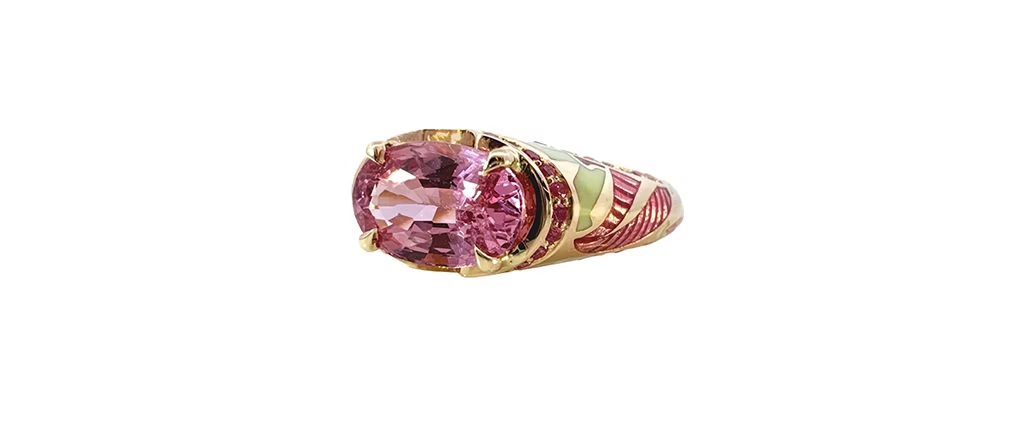
As Artificial Intelligence generates art, text, and even virtual influencers, the value of the “real” has skyrocketed. Consumers are looking for evidence of the human hand—the milgrain edge on a bezel setting, the hand-engraved monogram, the weight of solid gold.
“The more digital takes over, the greater the appreciation becomes for craftsmanship, things that take time to create, and the people that have unique, real-world skills,” Zavolinsky says.
For jewelers, the lesson from the “Ralph Lauren Christmas” trend is clear. It is not about selling a commodity; it is about selling a legacy. By focusing on storytelling, creating immersive retail environments, and championing the tactile beauty of craftsmanship, jewelers can tap into the same emotional vein that has made Ralph Lauren an enduring icon of American style.