


The Crown’s Jewels: How Royal Style Is Fueling Britain’s Great Brooch Revival
In an age of fleeting digital trends and fast fashion, a classic accessory, once lovingly pinned to the lapels of grandmothers and queens, is experiencing a remarkable resurgence. The brooch, long dismissed by some as a formal or dated piece of jewelry, has forcefully re-entered the British style consciousness. This isn’t just a quiet comeback; it’s a full-blown revival. In the United Kingdom, a stunning 253% surge in online searches for brooches was recorded in the past month alone, reaching over 17,000 queries. This “Great British Brooch Revival” is a multifaceted phenomenon, blending royal influence, a generational yearning for sustainability, and a modern desire for unique self-expression. At the heart of this dazzling comeback is the unparalleled influence of the British Royal Family, who have masterfully transformed this simple accessory into a powerful tool of communication and style.
The Royal Seal of Approval: A Legacy Reimagined
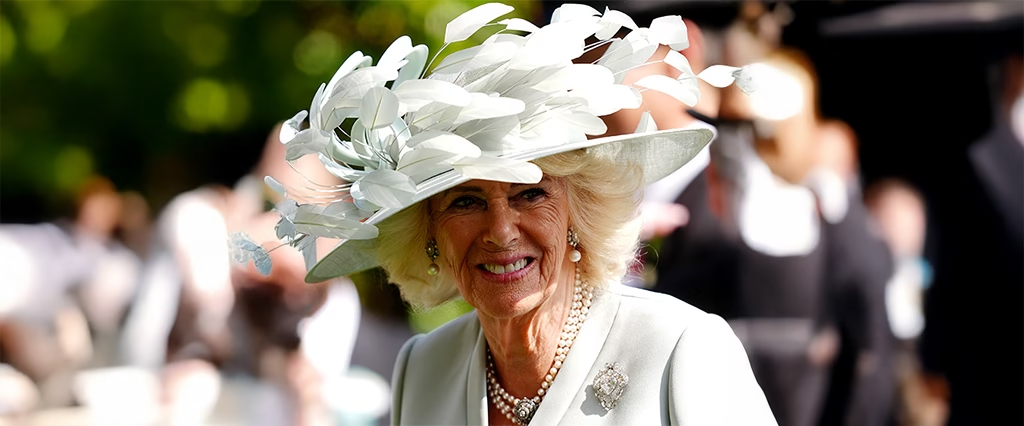
For centuries, the Royal Family has used jewelry to convey power, diplomacy, and sentiment. While diamond tiaras and historic necklaces often steal the show, the humble brooch has emerged as a particularly potent vehicle for subtle messaging. The current generation of senior royals, most notably The Princess of Wales and Queen Camilla, have embraced this tradition with a contemporary flair, single-handedly catapulting the brooch back into the public eye. Their carefully curated choices are a masterclass in visual storytelling, proving that a small pin can carry immense weight.
The Princess of Wales and the Art of “Power Jewelry”
No one has been more instrumental in this revival than Catherine, The Princess of Wales. Frequently lauded as a global fashion icon, her sartorial choices have a ripple effect that can dictate trends overnight. Her adoption of the brooch has been both strategic and heartfelt, bringing heirloom pieces back into the spotlight at high-profile national and international events. Her brooches are never just decorative; they are deliberate, layered with meaning, and serve as a prime example of “power jewelry.”
Her choices often pay homage to her late grandmother-in-law, Queen Elizabeth II, a renowned aficionado of brooches. By wearing pieces from the former monarch’s collection, she creates a powerful visual link of continuity, respect, and the enduring strength of the monarchy. For instance, when attending the 2022 Festival of Remembrance, the Princess wore three poignant brooches belonging to the late Queen, including two art-deco diamond designs and the Queen Mother’s Centenary Flower Brooch. This wasn’t merely an aesthetic choice; it was a silent tribute, a nod to service and legacy that resonated deeply with the public.
Similarly, her use of brooches on international tours serves as a form of sartorial diplomacy. When visiting Canada, she often dons the Queen’s stunning diamond Maple Leaf Brooch. On a trip to New Zealand, she wore a delicate silver fern brooch, the nation’s symbol. These choices demonstrate a thoughtful respect for her hosts, communicating goodwill and honor far more effectively than words alone could.
“The Princess of Wales carefully chooses these pieces to honor tradition, reflect her role, and silently express strength,” explains Emma Snowdon, creative director at the prestigious London-based jeweler Berganza. “It’s a message that strikes a chord with today’s audiences, who appreciate authenticity and depth. The brooch becomes a symbol of her considered approach to her public position, which is rooted in discretion and grace.”
Queen Camilla: A Champion of Historic Treasures
Queen Camilla has also become a formidable champion of the brooch, often delving deep into the royal vaults to showcase magnificent and historically significant pieces. Her selections are bold, confident, and speak to a deep appreciation for craftsmanship and heritage.
During recent ceremonies marking the 80th anniversary of D-Day, she wore the historic bugle horn brooch of the Rifles Regiment, a piece that signifies her role as their Colonel-in-Chief. It was a powerful statement of solidarity and remembrance. At the prestigious Royal Ascot in June, she made headlines by wearing two extraordinary pieces. One was the legendary Cullinan V brooch, a breathtaking heart-shaped diamond cut from the world’s largest-ever rough diamond. The other was the exquisite Rothschild diamond watch brooch, a piece that had not been seen in public for nearly a century, adding an element of historical rediscovery to the occasion. By bringing these treasures back into the light, Queen Camilla not only honors their history but reintroduces their timeless beauty to a new generation.
Beyond the Palace Gates: The Modern Brooch Renaissance
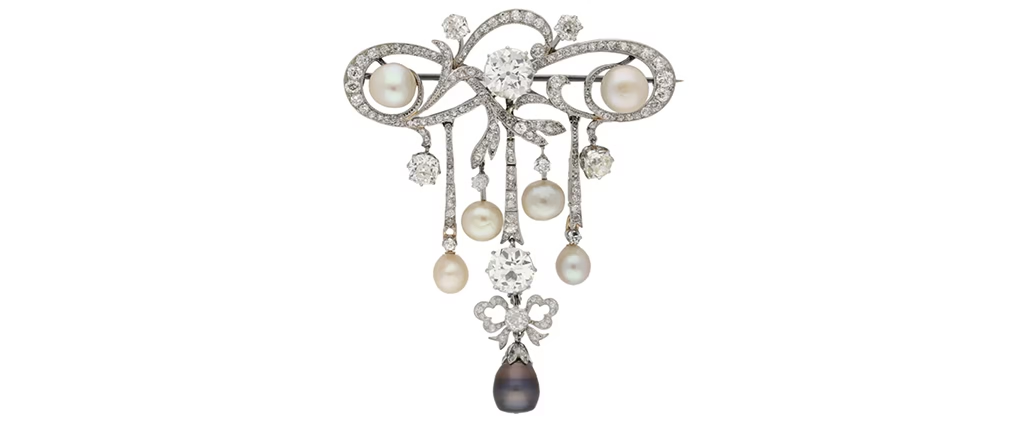
While the royal family may have ignited the spark, this revival is not confined to palace walls. The trend has cascaded down through society, being embraced by younger consumers, stylists, and influencers who are reinventing the brooch for the 21st century.
A New Generation Discovers an Old Classic
“It’s clear they’ve gone beyond traditional circles,” notes Snowdon. The modern appeal of the brooch lies in its incredible versatility. Young fashion enthusiasts in their 20s and 30s are finding fresh, inventive ways to incorporate them into their everyday wardrobes, moving far beyond the traditional placement on a coat lapel.
“From lapels to bags and even hair accessories, brooches are turning up everywhere,” Snowdon observes. A vintage crystal brooch might be used to cinch a silk scarf, add a point of interest to a denim jacket, or cluster on the strap of a designer handbag. Others are pinning them onto knitted beanies for a touch of winter glamour or even using them as elegant closures for cardigans. This creative reinterpretation has stripped the brooch of its formal connotations, transforming it into a fun, expressive, and deeply personal accessory. Even men’s fashion has embraced the trend, with male celebrities and style icons adorning their tuxedo and suit lapels with diamond or enamel pins on the red carpet, proving its universal appeal.
The Allure of Authenticity and Enduring Style
So, why now? The brooch’s resurgence taps directly into several major cultural shifts. Firstly, there is a growing movement away from the disposability of fast fashion. Consumers are increasingly seeking items with longevity, meaning, and a story. A brooch, particularly a vintage or antique piece, is the antithesis of throwaway culture. It is an investment, an heirloom, and a piece of history.
“Brooches offer a way to wear meaning,” Snowdon eloquently states. “They can represent personal stories, family history or simply a love of craftsmanship. That’s what makes them so timeless and so modern.” A brooch in the shape of a bee might be worn by an avid gardener, a nautical pin by someone who loves the sea, or a piece inherited from a loved one can serve as a constant, comforting presence. In a world of mass production, the brooch offers a touch of individuality and a tangible connection to the past.
This trend is reflected in the market. Berganza, which specializes in antique and vintage jewelry, has reported a remarkable 125% increase in brooch sales over the past year. This indicates that consumers are not just buying new, mass-produced items; they are actively seeking out pieces with heritage and unique character.
“This isn’t just a trend—it’s a rediscovery of something with real substance,” Snowdon concludes. “As fast fashion gives way to enduring style, brooches offer collectors something genuinely rare: beauty, heritage, and individual expression.” The modern brooch wearer isn’t just following a trend set by royalty; they are making a conscious choice to embrace a more sustainable, personal, and story-rich approach to style. It is a small accessory making a very big statement about the values of a new generation.